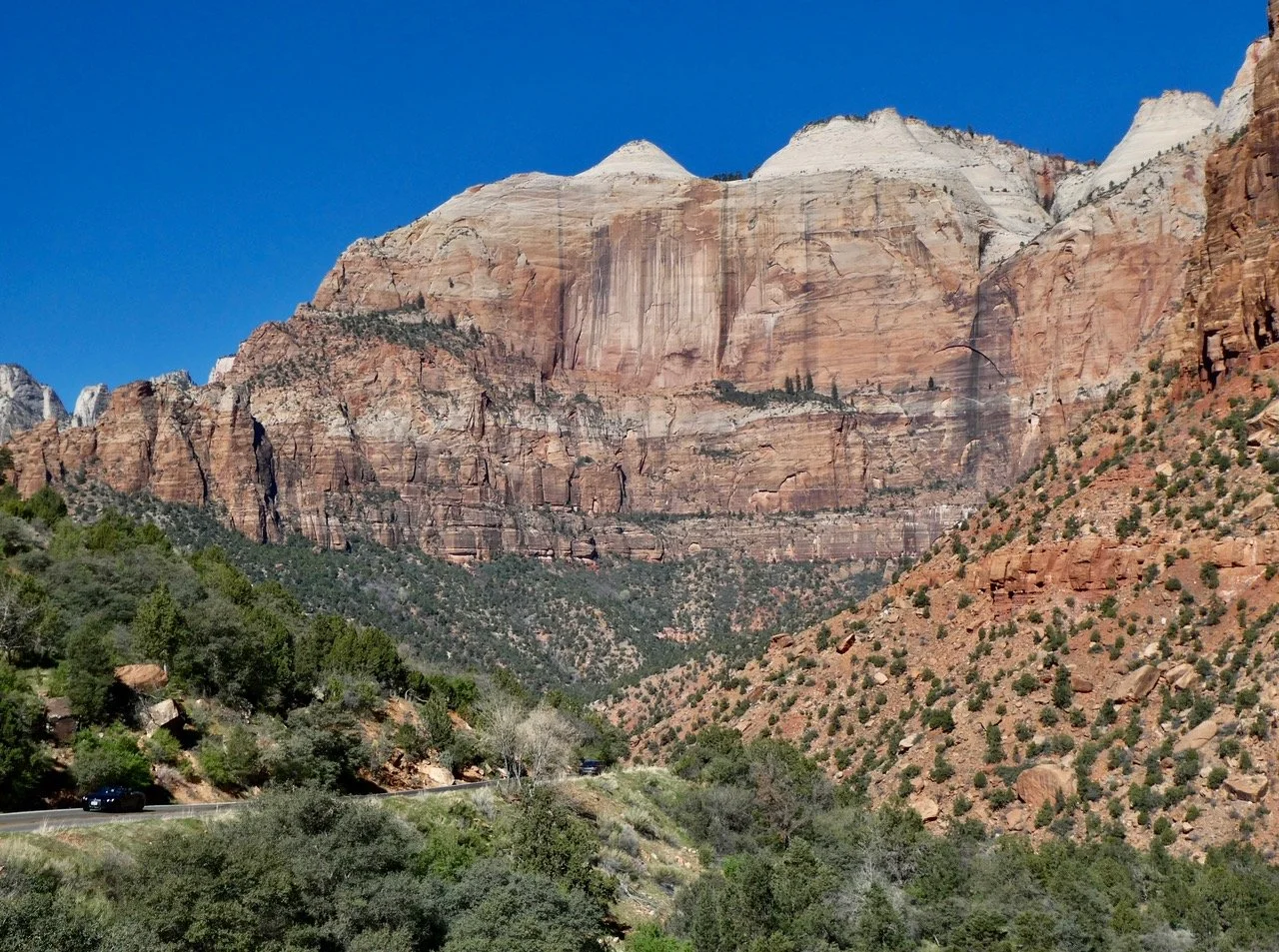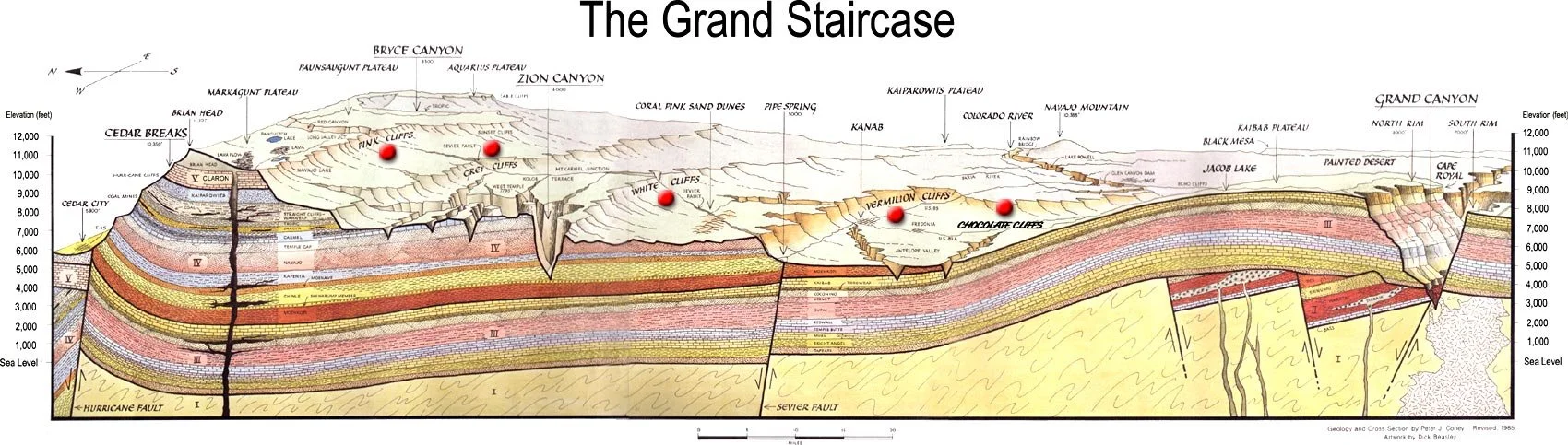
The Grand Staircase is the name that describes the rock layers that gradually ascend from the Grand Canyon in the south all the way to Bryce Canyon in its north. The stunning landscape features five “stairsteps,” which is a geological term for the multi-colored cliffs and plateaus that look like stairs. These stairs were formed at different ages of the earths formation, from 240 million to 50 million years ago with the dark brown layer being the oldest. The entire land mass encompasses 1.8 million acres.
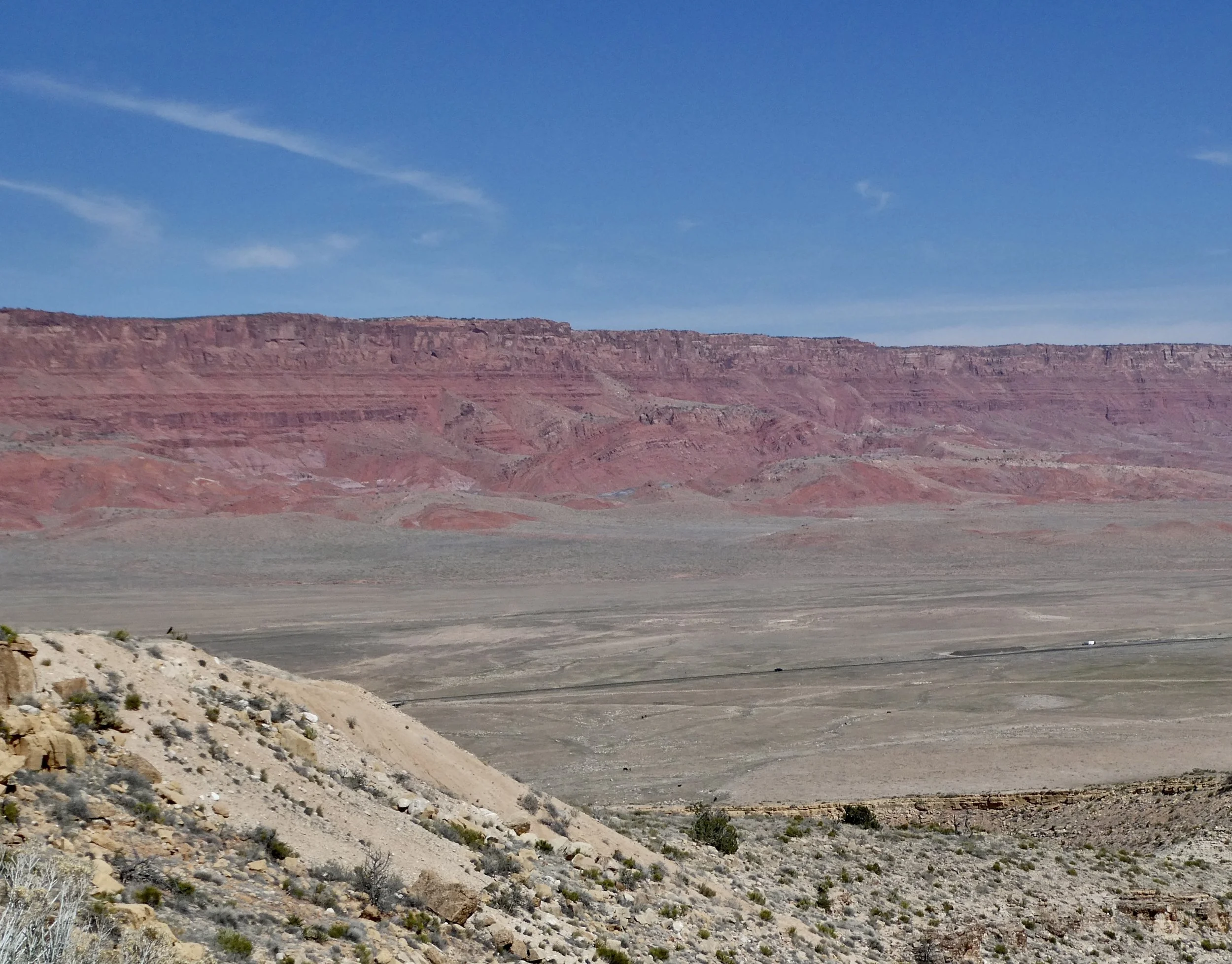
Looking across one of Utah’s arid plains, you see the distinct outline of The Grand Staircase. It is 150 miles (240kms) long and 15 miles (25kms) wide. Within this boundary you will find the Grand Canyon, Zion and Bryce Canyon National Parks plus many/many other incredible geographic features.
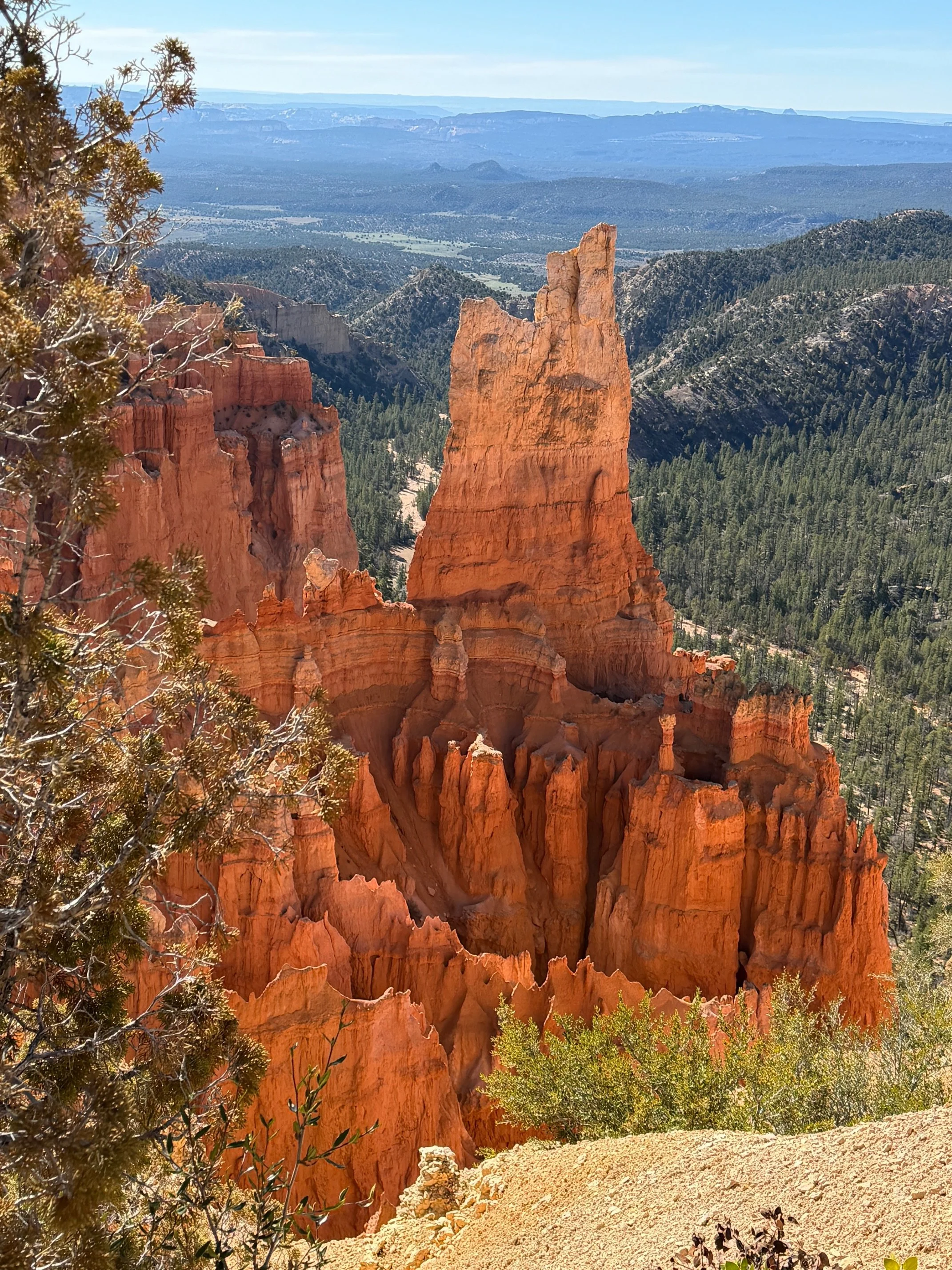
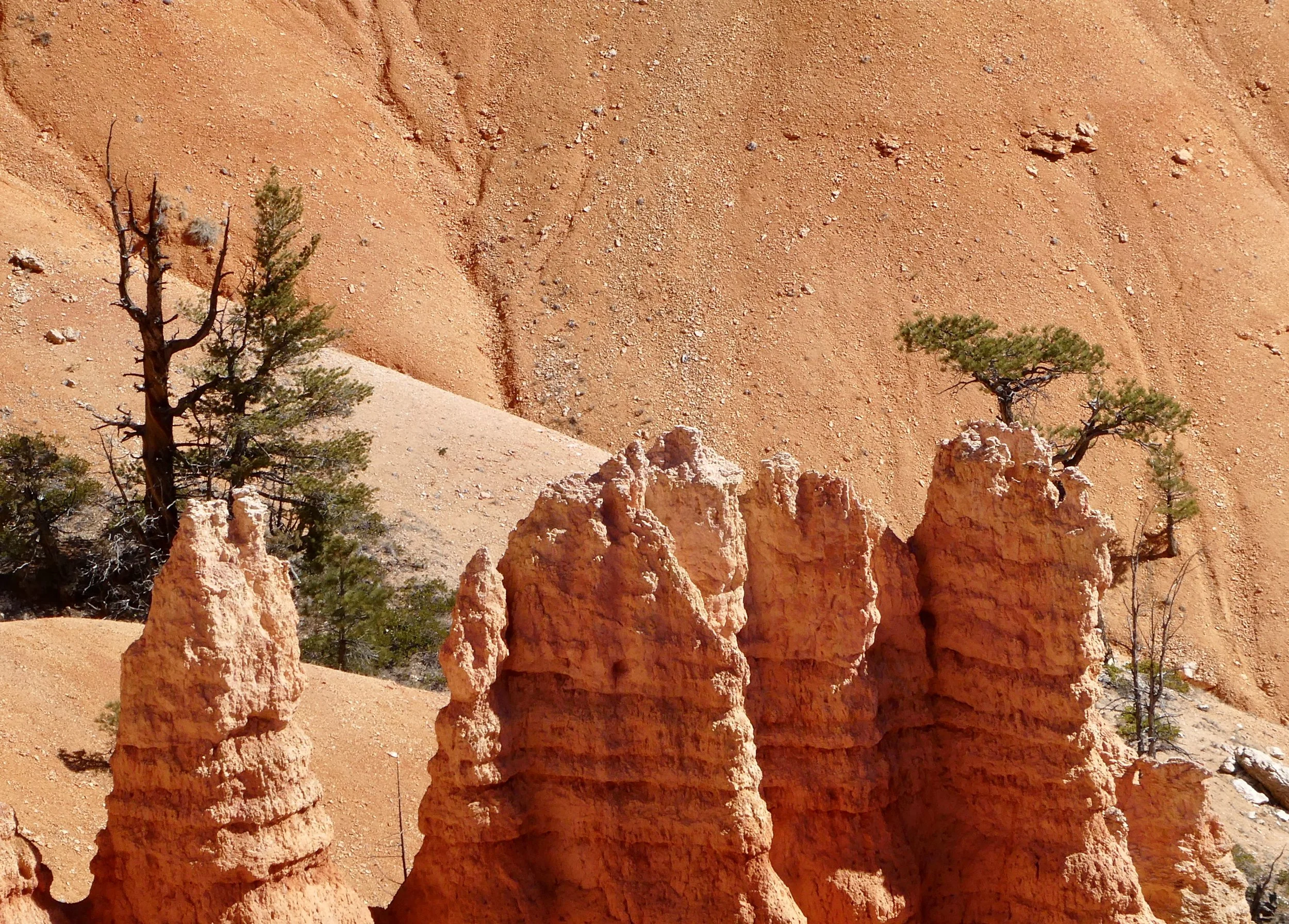
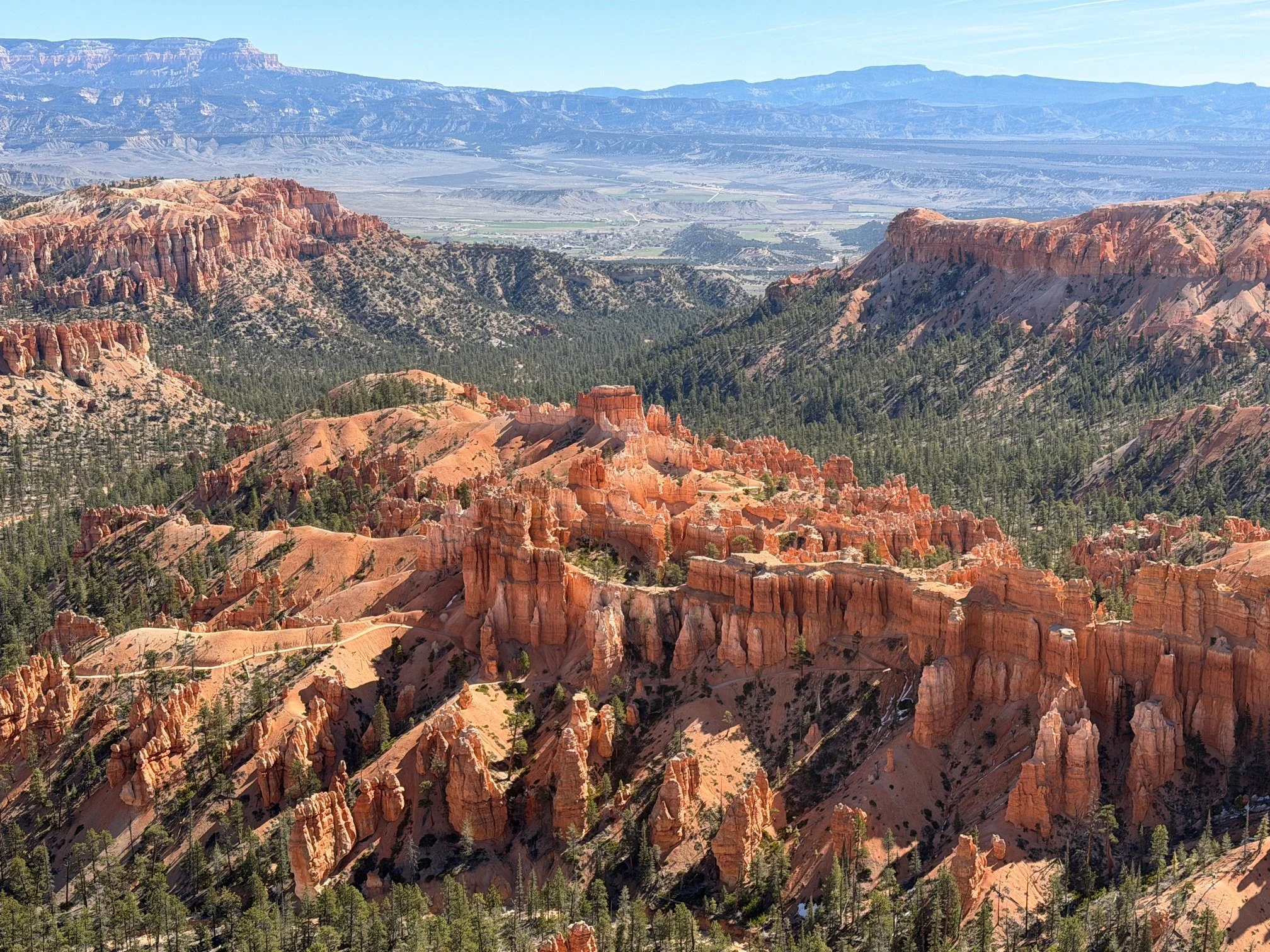
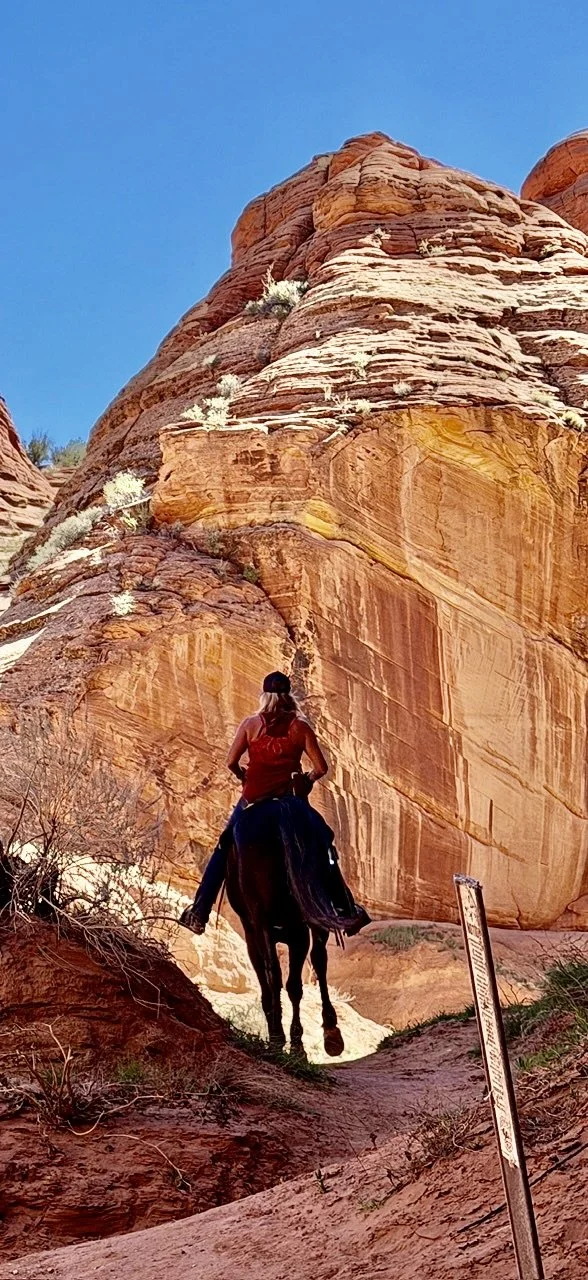
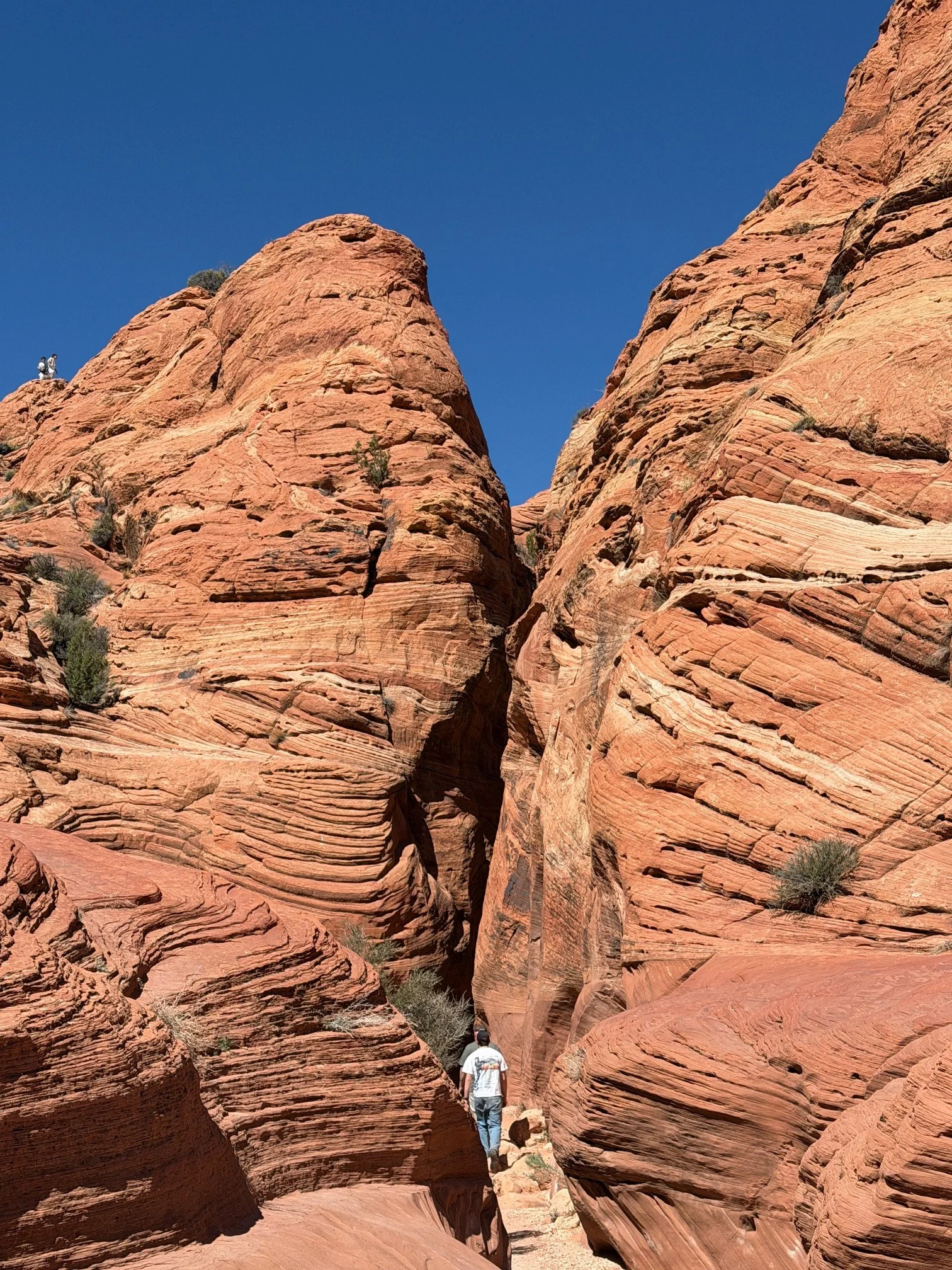
Hoodoos form through uplift, weathering and erosion - especially in freeze/thaw cycles. This has happened over the last several million years. Look carefully at the photos and you will see the cracks that are a result of the freeze/thaw phenomenon.
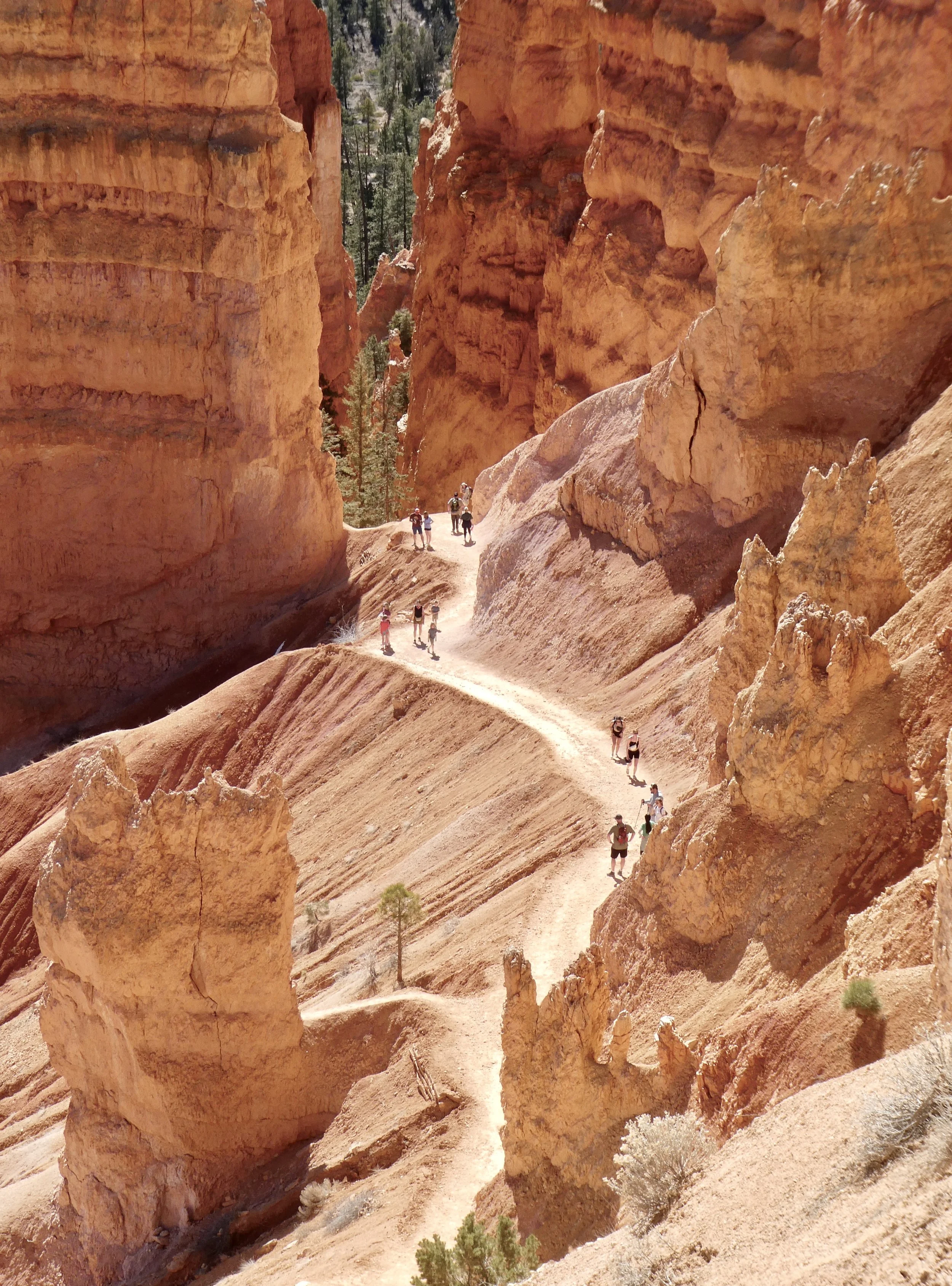
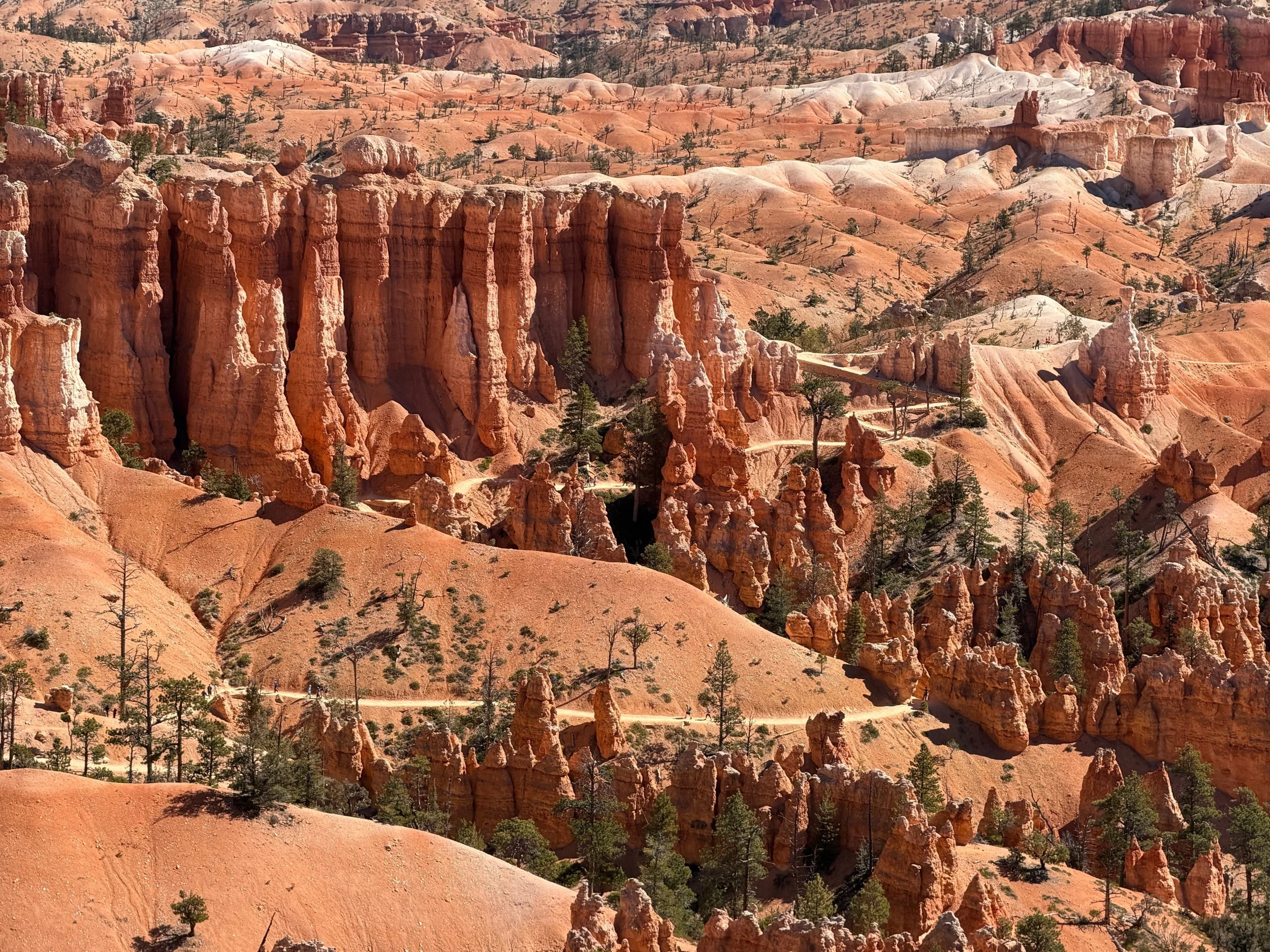
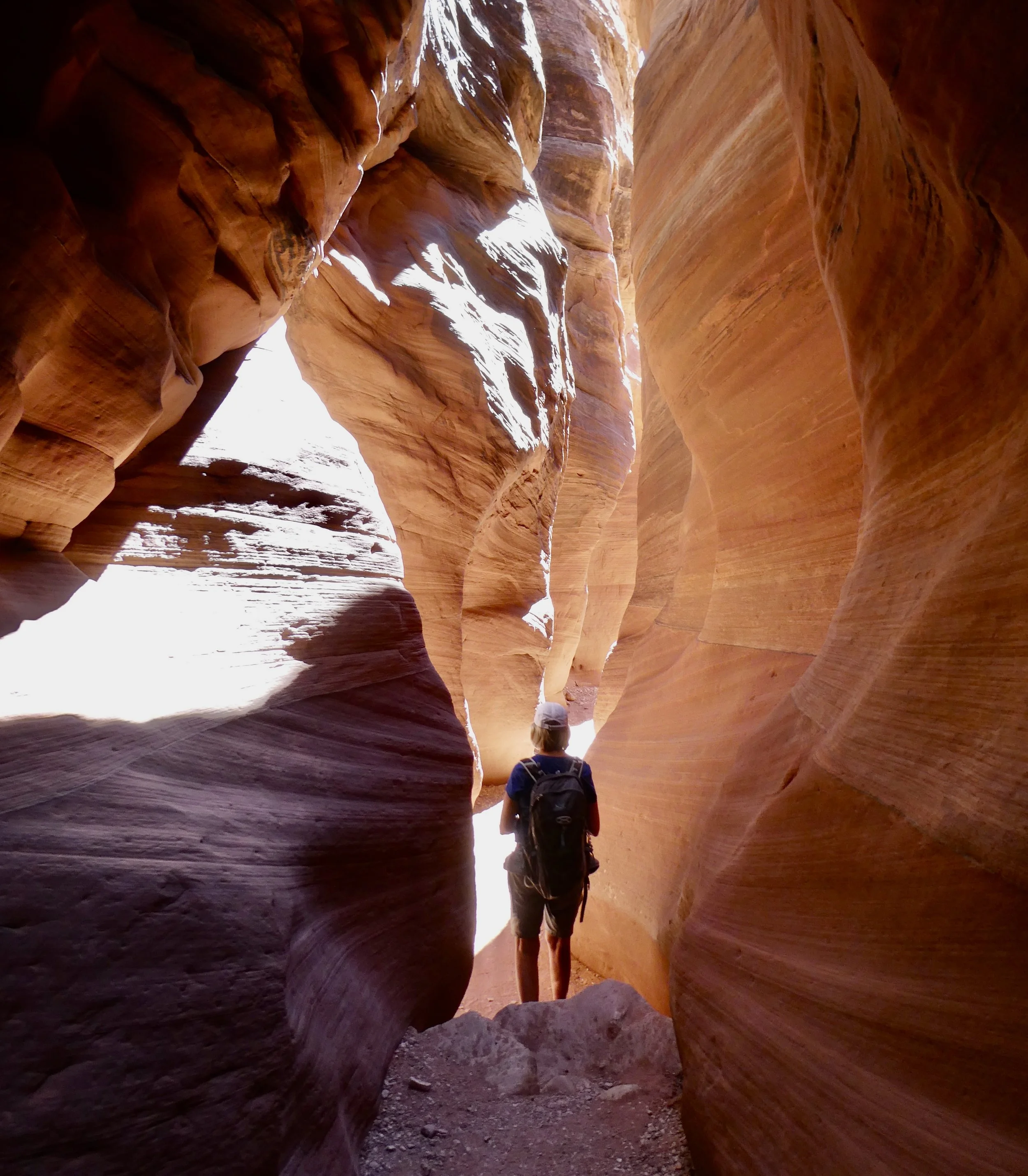
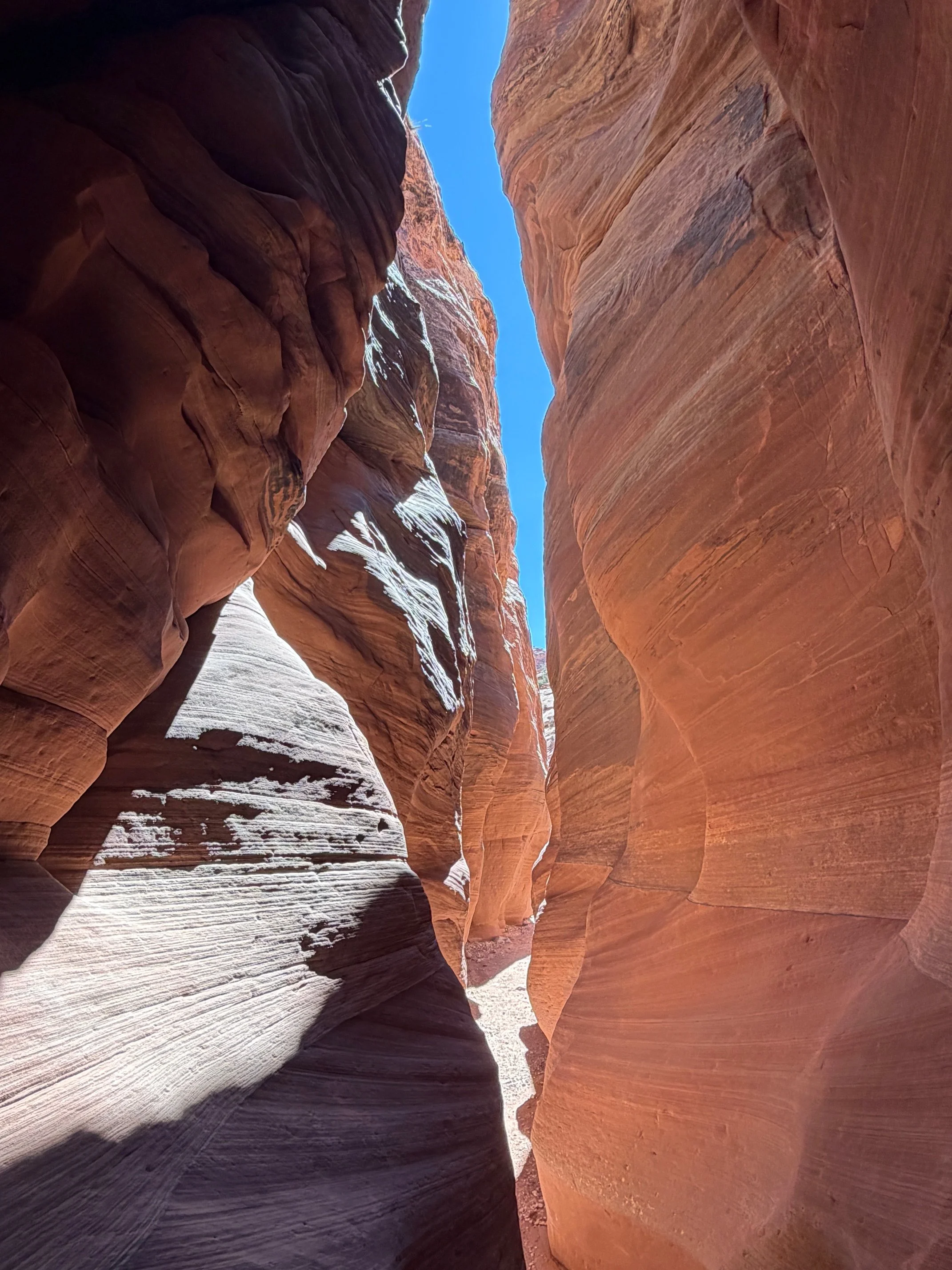
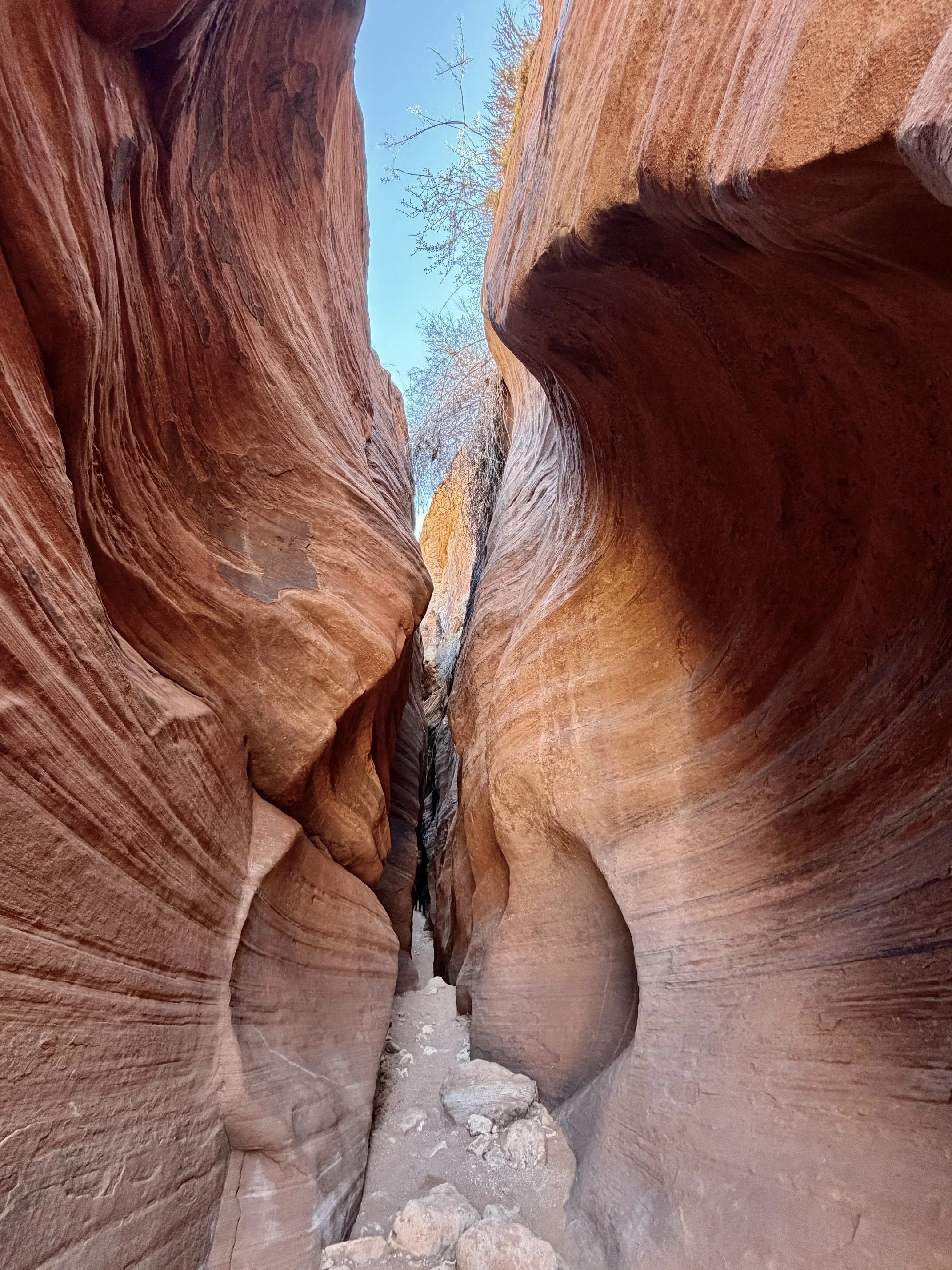
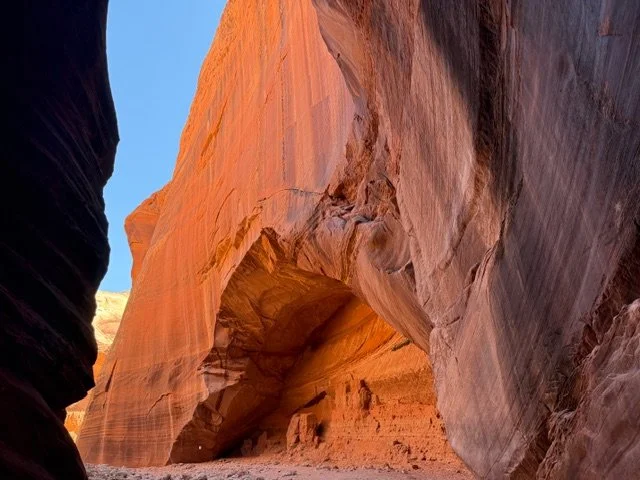
Buckskin Gulch is another example of what incredible geographic features can be explored in The Grand Staircase - area. This gulch is one of the longest and deepest slot canyons in the world. Slot canyons are formed by rapid rain water (flash floods) rushing through the sandstone walls caving natures hallway. This is no average hallway but one of incredible mystic and beauty.
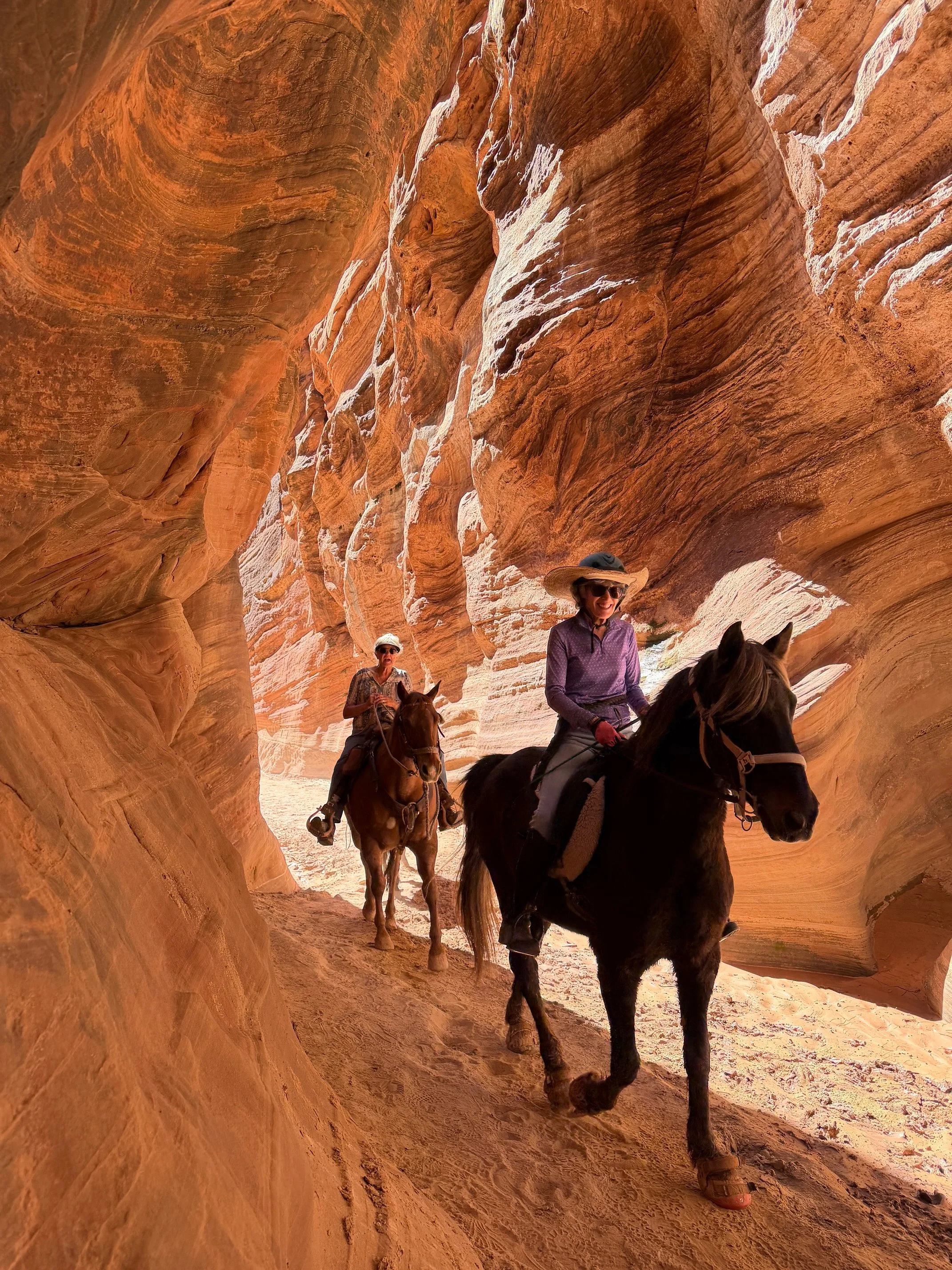
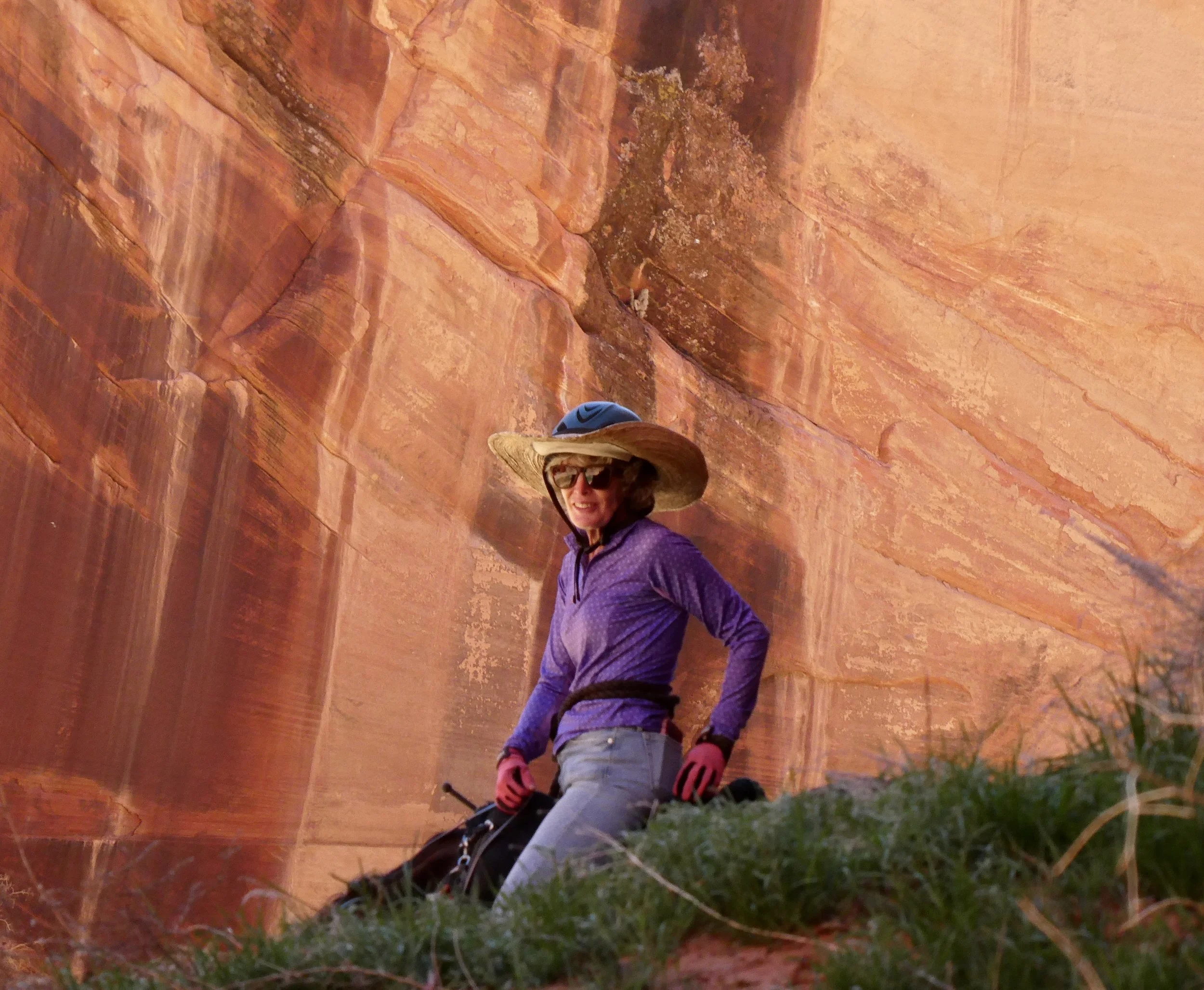
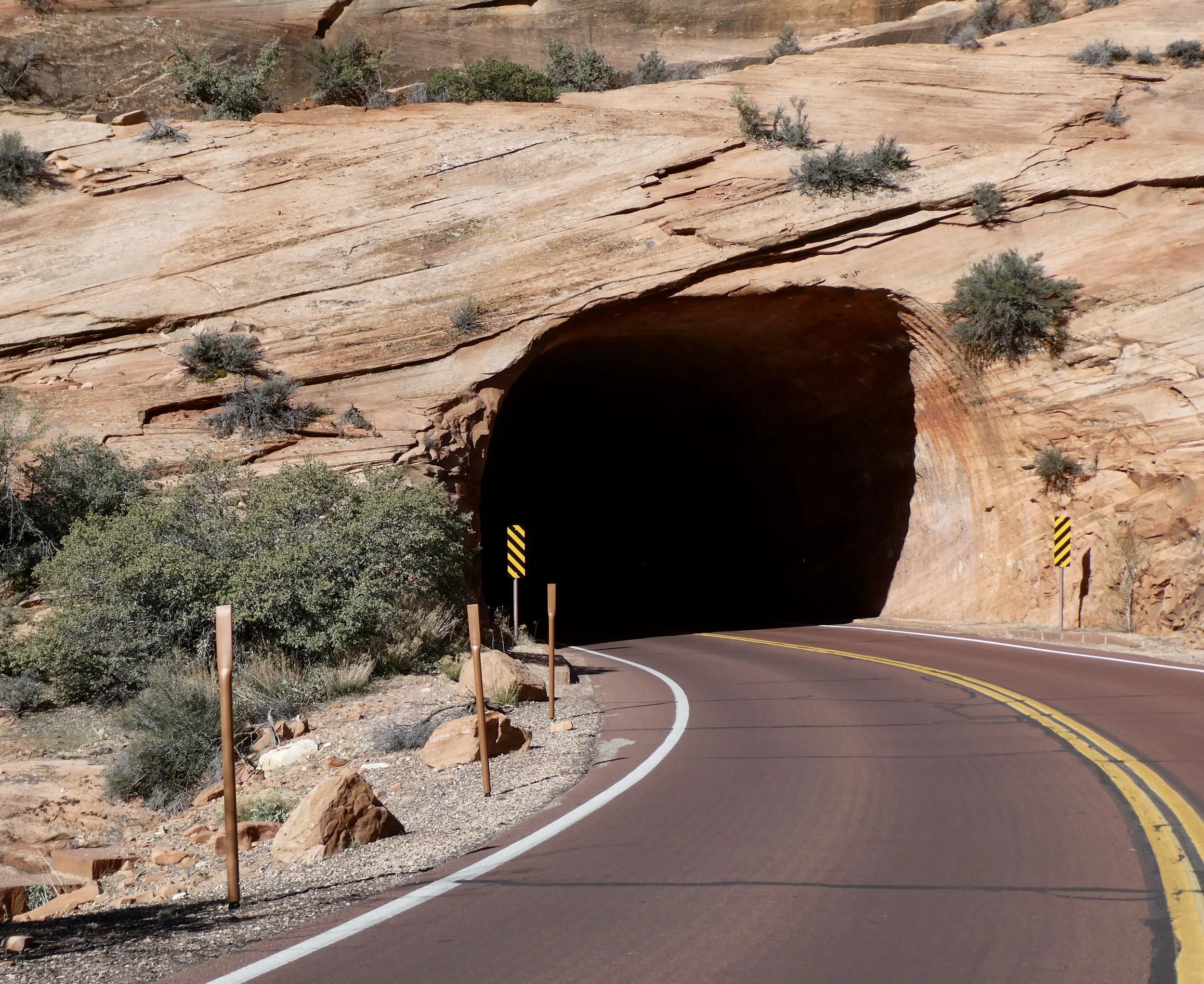
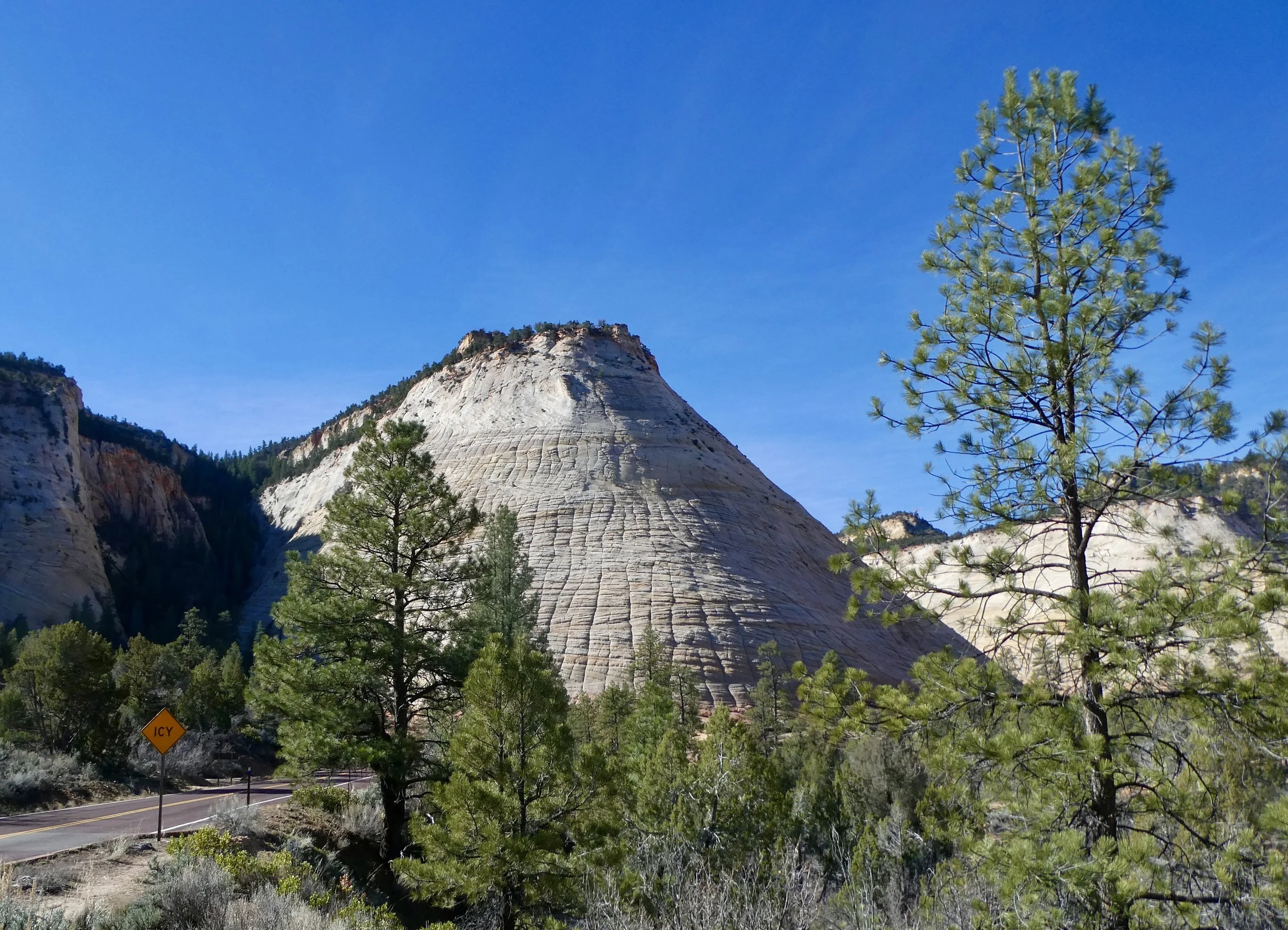
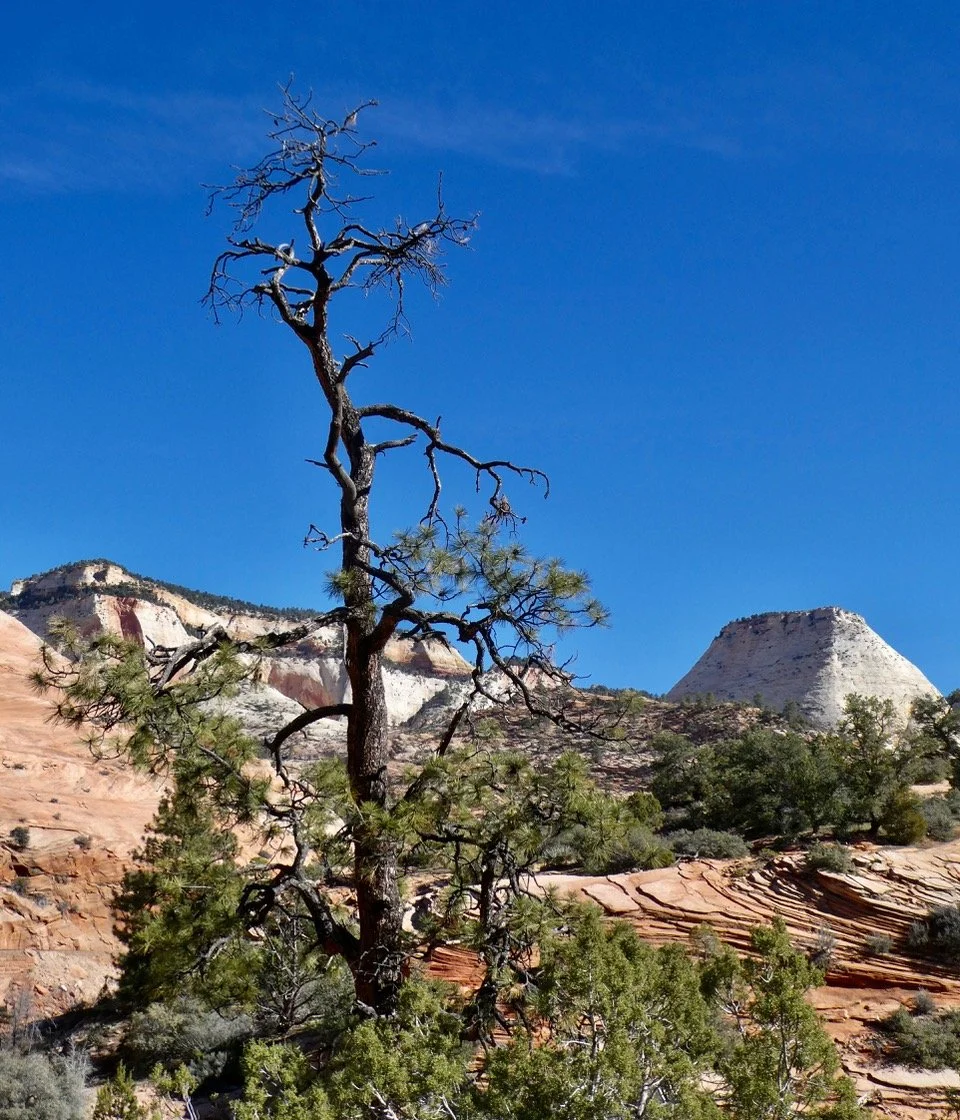
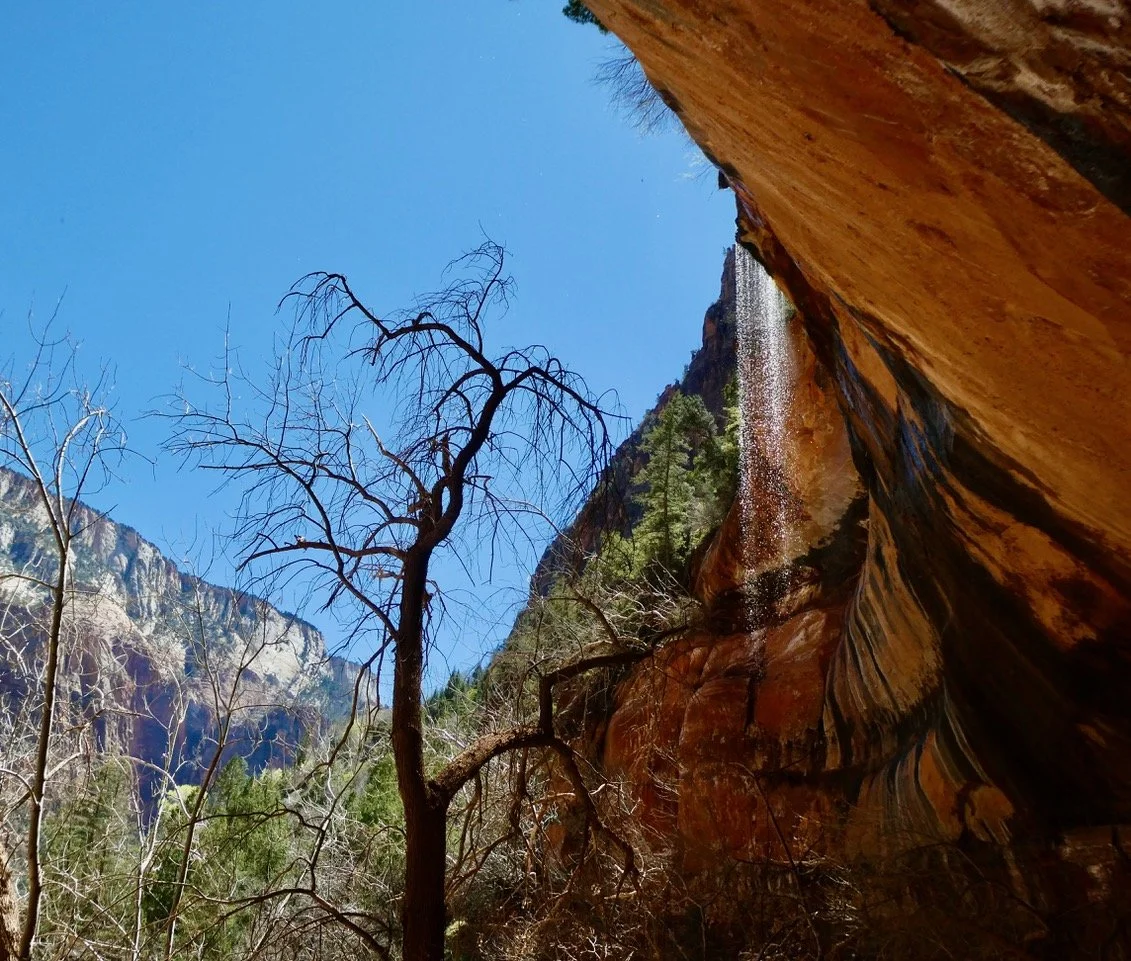
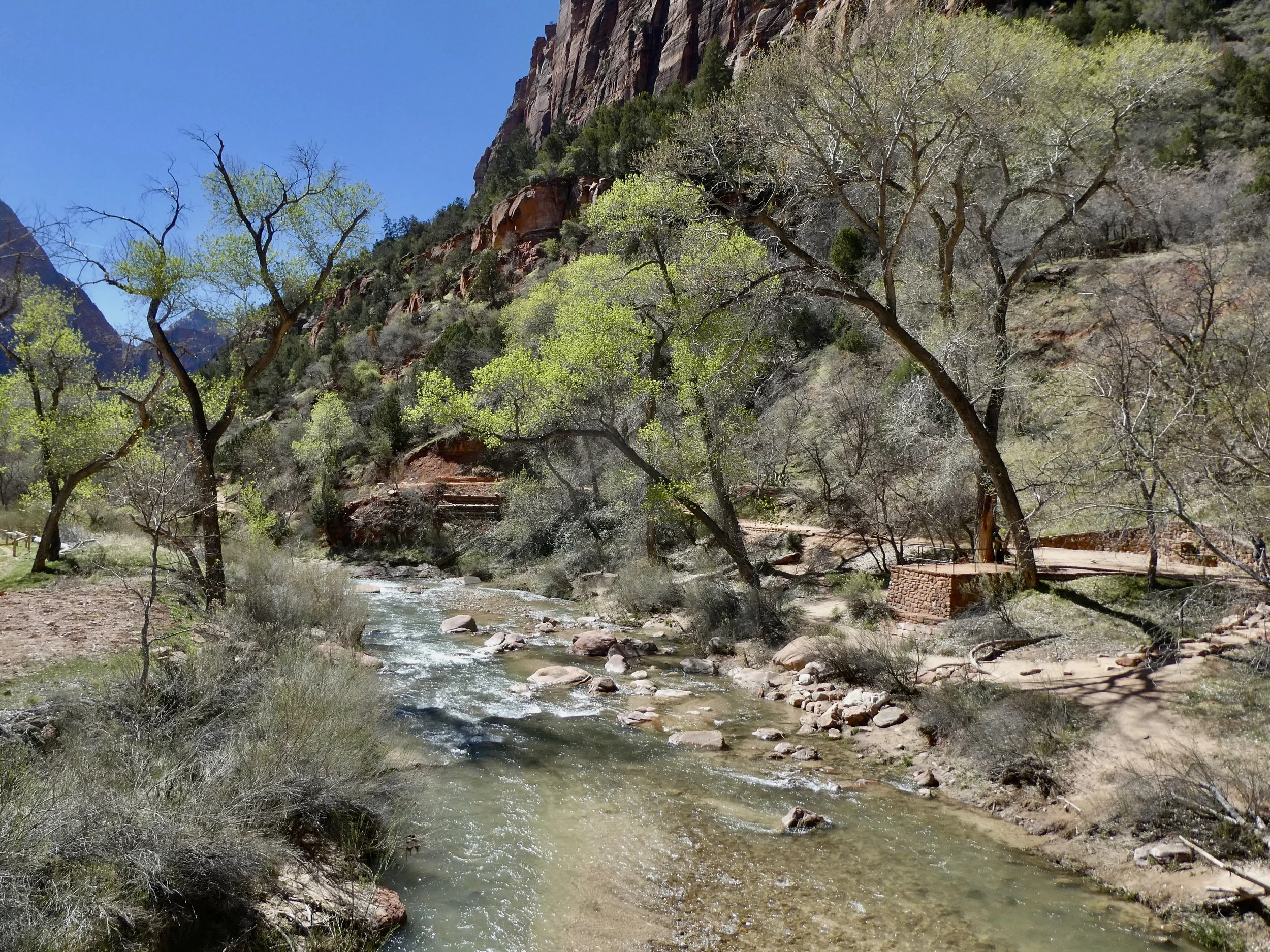
Zion National Park is my last stop on this amazing photo journey. Located towards the northern section of The Grand Staircase it is one of the most visited National Parks in the USA. Visitors will see towering Navajo Sandstone cliffs, deep canyons and slot passages all along the famous Mount Carmel Highway. Surely you will drive through the mile long Mount Carmel Tunnel to be greeted by some of the most scenic views in all of America.